Virtual Reality’s Shift from Gaming to Professional Training and Therapy
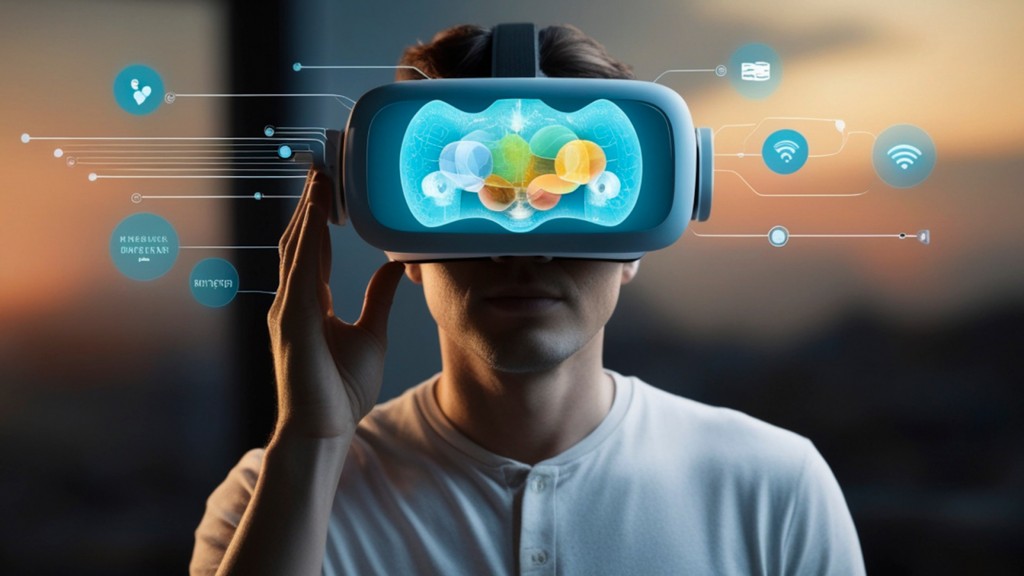
Virtual reality is no longer just about games and fun headsets. Today, it’s becoming a powerful tool for learning, healing, and real-world skills. From job training to therapy sessions, VR is changing how people practice, grow, and recover in safe digital spaces. Doctors use it to treat pain and stress, workers train in risk-free settings, and students learn by doing instead of just watching.
This shift is opening new doors for schools, hospitals, and businesses everywhere. VR makes learning more real, more personal, and more effective. In this guide, we explore how virtual reality is moving beyond gaming and reshaping professional training and therapy in ways that truly improve lives.Here’s the real question every decision-maker wrestles with: Does VR actually deliver returns worth the investment? Let’s dig into the financial proof pushing organizations toward adoption.
Medical and Healthcare Training Transformation
Advanced Surgical Simulation and Skill Development
Research from the American College of Surgeons found VR-trained surgeons showed 230% better proficiency than traditionally trained counterparts. Pause and consider that,surgeons walking into ORs with skills that once took years of supervised repetition.Haptic gloves let trainees actually feel tissue resistance during virtual operations. AI watches every motion, catching errors human supervisors miss. Cardiovascular repairs and brain surgeries get practiced repeatedly before real patients appear, cutting mistakes while building confidence lectures can’t touch.
Emergency Medicine and Trauma Response Training
Mass casualty simulations drop medical teams into chaos minus actual victims. Triage calls happen under simulated gunfire or collapsing structures, forcing pros to prioritize when resources disappear. Team coordination improves as communication protocols get tested in scenarios too risky or costly to stage physically.
Remote VR Training and Global Accessibility
Medical knowledge shouldn’t be geography-dependent. Cloud-based VR platforms now link surgeons across continents, though connectivity is the unspoken challenge.
Low-latency connections determine success or failure in immersive collaboration. When training programs reach emerging markets, dependable mobile data becomes essential infrastructure.
Solutions such as esim turkey are increasingly used to provide seamless, flexible mobile connectivity across borders, enabling remote medical training sessions to run smoothly without the disruptions that often accompany traditional SIM-based roaming. Asynchronous modules support live sessions, giving rural practitioners access to elite training they’d never reach otherwise. Bandwidth optimization makes quality VR workable even in underserved regions with spotty internet.
Beyond training healthcare workers, VR itself becomes the treatment,offering therapeutic breakthroughs traditional methods can’t match. Mental health professionals now wield immersive worlds as potent tools for rewiring thought patterns and defeating crippling conditions.
The Economic Case for VR in Professional Settings
Return on Investment in VR Training Programs
The data tells a striking story. VR training slashes onboarding time by up to 75% compared to conventional approaches. That’s not incremental improvement,it’s transformation.
Old-school training burns through instructor hours, physical materials, and trainee wages.
VR-based training methods turn that equation upside down. People rehearse dangerous tasks safely, replay scenarios without extra expense, and progress at their own speed. Ford’s saving approximately $17 million yearly using VR for design testing. Real money. Real results.
Market Expansion and Growth Projections
Healthcare’s leading the charge, with manufacturing, retail, and public safety close behind. Tech hubs saw initial concentration, but remote capabilities are spreading access fast. Venture capital’s pouring into AI-enhanced immersive platforms that adapt to individual learner weaknesses instantly.With documented ROI jumps hitting 300% in certain sectors, healthcare organizations are embracing VR aggressively,particularly when patient safety hangs in the balance. Here’s how medical pros are mastering complex procedures without putting anyone at risk.
Therapeutic Applications Revolutionizing Mental Health
Exposure Therapy for Anxiety Disorders and PTSD
Gradual desensitization works beautifully for specific fears. Someone with flight phobia doesn’t need actual planes,customizable virtual settings let therapists control everything from turbulence to passenger density. Veterans process PTSD in safe spaces where they can pause or stop if things get too intense.Social anxiety treatment success rates climb when patients rehearse conversations with virtual people who never judge. The controlled setup lets therapists adjust difficulty precisely to each person’s comfort zone,impossible with real-world exposure.
Cognitive Behavioral Therapy Enhancement
Virtual worlds activate behavioral patterns in depression care by immersing patients in positive situations they’ve been avoiding. Mindfulness apps can’t compete with truly immersive peaceful environments blocking all external noise. Stress training for high-pressure jobs like emergency dispatch uses VR to gradually build resistance against job-specific stressors.While VR excels at treating psychological issues, its impact on physical healing and motor recovery is equally impressive. Rehabilitation experts are finding that immersive tech accelerates recovery and restores function in ways standard therapy can’t achieve alone.
Physical Rehabilitation and Occupational Therapy Breakthroughs
Neurological Recovery and Stroke Rehabilitation
Gamified exercises fool brains into rebuilding neural connections. Stroke patients regaining arm use don’t just do reps,they catch virtual butterflies or create digital art, making boring exercises engaging. Mirror therapy helps paralyzed limbs by visualizing movement, triggering brain plasticity that speeds healing.Motion capture spots microscopic improvements therapists miss visually, letting teams adjust treatment based on concrete data rather than gut feelings. Balance training prevents falls through scenarios copying real dangers like icy walks or packed trains.
Chronic Pain Management Through Immersive Distraction
Gate control theory gets real-world application in VR pain treatment. Burn victims during wound care report much lower pain when immersed in snowy scenes,their brains literally process fewer pain signals when flooded with compelling sensory input. Opioid reduction finds powerful support in VR sessions managing chronic conditions minus pharmaceutical risks or addiction.
The same immersive principles reshaping medical training and rehab are revolutionizing corporate workforce development. From executive suites to retail floors, organizations deploy VR to build soft skills, technical knowledge, and customer service mastery at massive scale.
Corporate and Professional Skills Training
Soft Skills Development and Leadership Training
Public speaking scares most people, but virtual audiences offer risk-free practice. Tough conversation simulations let managers rehearse terminations or bad news delivery without real emotional harm. Cross-cultural training immerses workers in foreign business customs they’d otherwise learn through embarrassing failures.
Customer Service and Sales Excellence
De-escalation tactics for angry customers get practiced until automatic. Virtual retail spaces let new hires navigate rush periods before facing actual holiday madness. AI-powered customers respond realistically to service styles, teaching through natural results rather than forgettable lectures about “best practices.”
Your Questions About VR in Professional Settings
- Can VR training really replace traditional hands-on experience in high-stakes fields?
Not completely replace, but massively supplement. VR builds foundational skills and muscle memory before real practice, cutting the learning curve and errors dramatically when transitioning to actual work. - How much does implementing VR training cost for mid-sized organizations?
Initial investments run $15,000-$50,000 for quality systems and content, but ongoing costs drop significantly. Most organizations break even within 18-24 months through reduced training time and resources. - What happens if someone experiences motion sickness during VR sessions?
Stop immediately. Most people adapt with shorter, repeated exposures. Alternative training stays available for the roughly 10-15% who can’t tolerate VR despite gradual introduction.
Final Thoughts on VR’s Professional Evolution
Virtual reality has absolutely proven its way beyond gaming. From operating rooms to therapy clinics, immersive technology now tackles challenges that stumped traditional methods for decades. The business case strengthens as costs drop and evidence piles up,early adopters aren’t experimenting anymore; they’re gaining advantages latecomers will fight to match. Organizations and professionals embracing VR’s potential now position themselves ahead of their fields. The question isn’t whether VR will dominate professional development, but how fast you’ll adopt before competitors leave you in the dust.