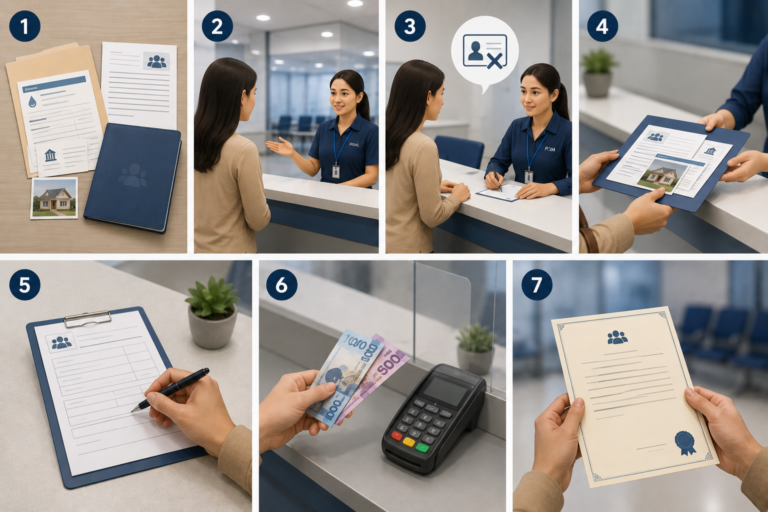
How to Register a New SIM Card?
In the modern world, a SIM card is far more than a small plastic chip used for making phone calls. It is a digital identity that connects you to communication networks, financial services, government systems, and online platforms. Because of this growing importance, SIM card registration has become mandatory in many countries across the globe.
Yet, despite how common mobile phones are, many people still feel confused about how to register a new SIM card properly. Questions like What documents are required?, How long does registration take? What happens if I don’t register my SIM?, and can I register my SIM online? are extremely common.
This comprehensive guide answers all of those questions and more. Whether you are buying your first SIM card, switching networks, or registering an additional number, this article will walk you through everything you need to know to stay compliant, secure, and connected.
What Is SIM Card Registration
SIM card registration is the official process of linking a mobile phone number to a verified individual using legal identification. During this process, telecom companies collect personal information such as your name, identification number, and sometimes biometric data to confirm ownership of the SIM card.
When you register sim information successfully, your mobile number becomes legally associated with you. This allows telecom operators and regulatory authorities to identify the user behind a number when necessary, which helps improve security and accountability.
SIM registration laws vary from country to country, but the underlying goal is always the same: to reduce anonymous misuse of mobile networks and protect users.
Why SIM Card Registration Is Mandatory
Many people view SIM registration as an inconvenience, but it serves several important purposes that benefit both individuals and society as a whole.
1. Enhancing National Security
Unregistered SIM cards can be used anonymously for criminal activities. Registration helps authorities track and prevent misuse.
2. Preventing Fraud and Scams
Many phone scams, identity theft cases, and financial fraud incidents rely on unregistered or falsely registered SIM cards.
3. Protecting Consumers
If your SIM is registered in your name, it is easier to recover your number if it is lost, stolen, or damaged.
4. Supporting Digital Services
Mobile banking, e-wallets, social media platforms, and government portals often rely on registered SIMs for verification and authentication.
Who Needs to Register a New SIM Card?
SIM registration is required in most of the following situations:
- Buying a brand-new SIM card
- Switching to a new mobile network
- Replacing a lost or stolen SIM
- Registering an additional SIM under your name
- Transferring SIM ownership
Even if a SIM works temporarily without registration, it is usually only a matter of time before it is blocked if not properly registered.
Documents Required to Register a New SIM Card
The documents required may vary by country and telecom provider, but generally include the following:
1. Valid Identification
This could be a national ID card, passport, or residence permit.
2. Biometric Verification
Some regions require fingerprint or facial verification to prevent identity fraud.
3. Proof of Address
In certain cases, a utility bill or rental agreement may be required.
4. Active SIM Card
You must have the SIM physically available during the registration process.
Always ensure that your identification documents are valid and not expired before attempting to register.
Where to Buy a New SIM Card Safely
Before registration even begins, it’s important to purchase your SIM card from the right place.
Authorized Retailers
Always buy SIM cards from official telecom franchises or authorized retailers. These sellers follow proper registration procedures and protect your data.
Avoid Pre-Registered SIMs
Never buy SIM cards that are already registered in someone else’s name. These can lead to serious legal and service problems later.
Keep the SIM Packaging
The original SIM packaging often contains important information such as the SIM number and activation details.
How to Register a New SIM Card: Step-by-Step Process
Step 1: Insert the SIM Card into Your Phone
Insert the new SIM card into your device and turn it on. In many cases, you will receive a message reminding you to complete registration.
Step 2: Choose a Registration Method
There are several common ways to register a new SIM card. Availability depends on your telecom provider and local regulations.
Method 1: Visit a Telecom Service Center
This is the most reliable method.
- Bring your original ID documents
- Provide biometric verification if required
- Confirm your personal details
A representative will complete the process for you.
Method 2: Register via USSD Code
Some networks allow SIM registration through a dial code.
- Dial the official USSD code
- Follow on-screen instructions
- Enter your ID number or verification details
This method is quick but may still require biometric verification later.
Method 3: Online SIM Registration
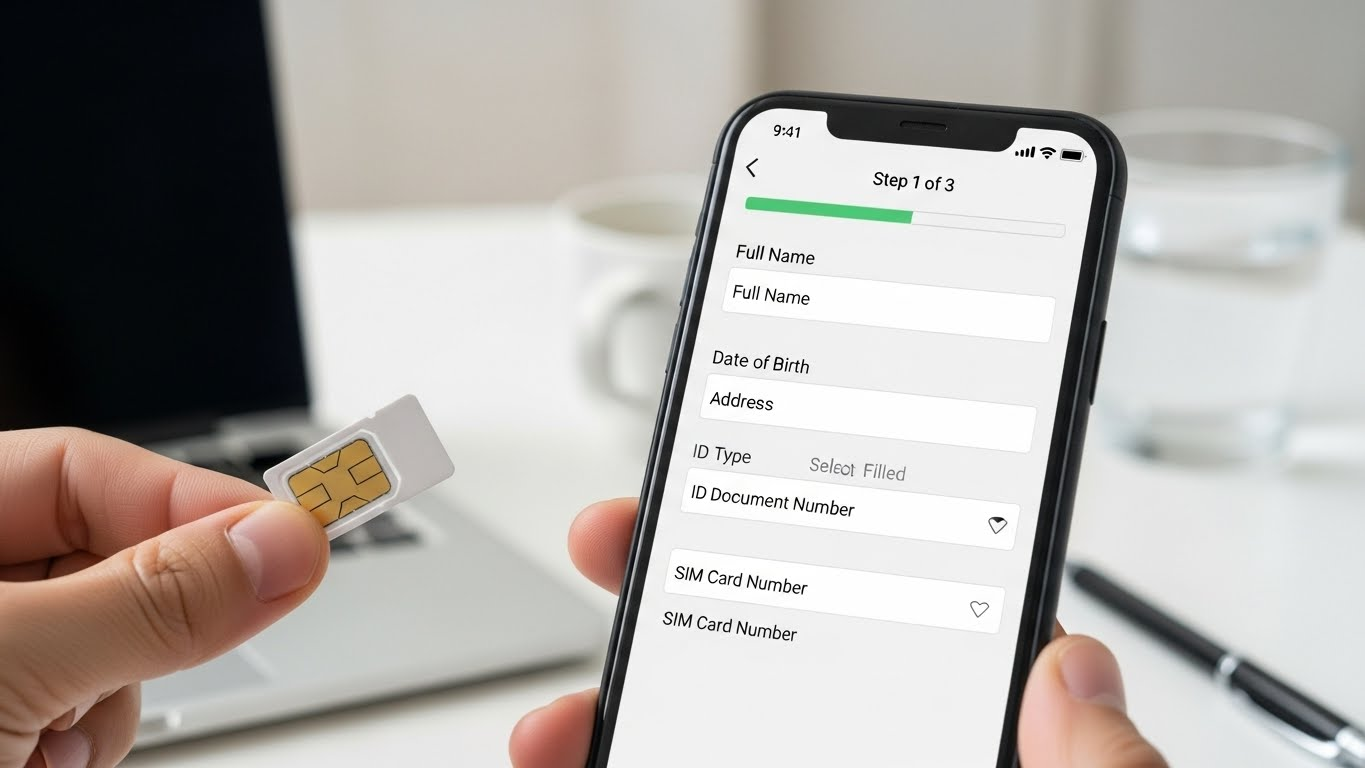
Certain telecom operators offer online portals or mobile apps for registration.
- Enter your SIM number and personal details
- Upload required documents
- Schedule biometric verification if needed
Online registration is convenient but not available everywhere.
Step 3: Verification and Approval
Once your information is submitted, the telecom provider verifies your identity. This process may take a few minutes or up to 24 hours.
Step 4: Confirmation Message
After successful verification, you will receive an SMS confirming that your SIM has been registered. At this point, your number is fully active and compliant.
How Long Does SIM Registration Take?
In most cases, SIM registration is completed within minutes. However, delays can occur due to:
- Network issues
- Incomplete documentation
- Biometric verification backlogs
- Incorrect personal details
If registration takes longer than 24 hours, contact your telecom provider.
How to Check If Your SIM Is Registered
After completing the process, it’s wise to confirm your registration status.
Common Methods Include:
- Dialing an official USSD verification code
- Checking your telecom provider’s website
- Visiting a customer service center
- Using a government telecom portal (if available)
Regularly checking ensures your SIM remains active and secure.
How Many SIM Cards Can One Person Register?
Most countries impose a limit on the number of SIM cards that can be registered under a single identity to prevent misuse.
Typical limits range from:
- 3 to 5 SIMs for individuals
- Higher limits for businesses with documentation
If you exceed the allowed limit, you may need to deactivate unused SIMs before registering a new one.
Common Mistakes to Avoid When Registering a SIM
Many SIM registration issues arise due to simple mistakes. Avoid the following:
- Using expired or invalid ID documents
- Providing incorrect personal information
- Registering SIMs under another person’s name
- Ignoring registration reminder messages
- Purchasing SIMs from unauthorized sellers
Avoiding these errors ensures a smooth registration experience.
What Happens If You Don’t Register Your SIM?
Failing to register a new SIM card can lead to serious consequences, including:
- Temporary suspension of services
- Permanent SIM deactivation
- Loss of balance, data, and contacts
- Inability to recover the number
- Problems with mobile banking and online verification
To avoid these issues, always register sim information as soon as possible after purchase.
SIM Registration for Tourists and Foreigners
Tourists and foreign residents often have different registration requirements.
Common Requirements:
- Passport
- Visa or entry stamp
- Temporary address (hotel or residence)
Tourist SIMs may have limited validity, after which re-registration or renewal is required.
How to Update SIM Registration Details
If your personal information changes, you may need to update your SIM registration.
Reasons to Update:
- Name change
- Address change
- New ID document
- Correction of errors
Visit a service center with updated documents to ensure accuracy.
How to Protect Your Registered SIM Card
Registration is only the first step. Protecting your SIM is equally important.
Best Practices:
- Never share your ID details publicly
- Enable SIM PIN protection
- Report lost or stolen SIMs immediately
- Regularly review SIMs registered under your name
- Avoid clicking suspicious links or sharing OTPs
Strong security habits reduce the risk of SIM-related fraud.
Frequently Asked Questions (FAQs)
Can I use a SIM without registration?
In most countries, unregistered SIMs are illegal and will eventually be blocked.
Can I register a SIM online completely?
Some providers allow partial online registration, but biometric verification may still be required.
Is SIM registration free?
In most cases, yes. Some providers may charge a small service fee.
Can I transfer SIM ownership?
Yes, but both parties usually need to be present with valid ID.
Final Thoughts
Registering a new SIM card is no longer optional it is a legal and practical necessity. From secure communication and uninterrupted service to access to digital platforms, proper SIM registration affects nearly every aspect of modern life.
By following the correct procedures, using authorized channels, and keeping your information up to date, you can avoid service disruptions and protect your identity. If you’ve recently purchased a new SIM card, don’t delay, take the time to register sim details properly and enjoy reliable, secure connectivity.