With SIM Registration Now in Place, Online Behavior in the Philippines Is Shifting
In the bustling digital streets of the Philippines, the way people move online is quietly changing. For years, the internet there felt like a crowded marketplace where anonymity was the norm voices shouted from every direction, some genuine, others less trustworthy. But with the arrival of the SIM Registration Act, the rules of that marketplace have started to shift. Suddenly, the once faceless chatter of the digital world is being asked to attach a name and identity to every SIM card.
A Law Born from a Surge of Digital Scams
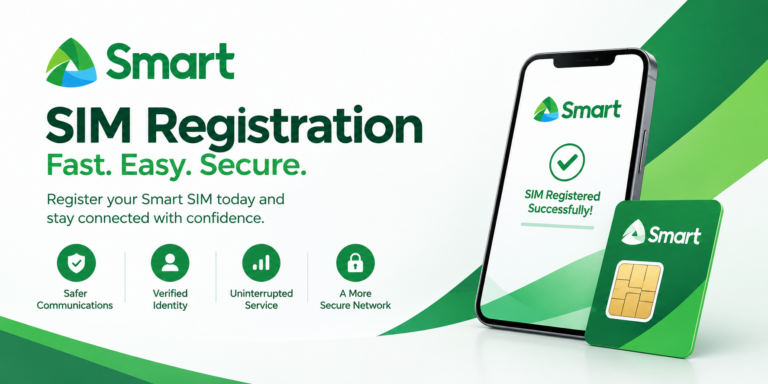
The SIM Registration Act was signed into law in 2022 with a clear goal: reduce scams, fraud, and cybercrime tied to mobile phones. Under the law, users must register their SIM cards with valid identification before they can activate or continue using mobile services.
Before this change, it was easy for someone to purchase multiple prepaid SIM cards without leaving a digital footprint. This anonymity created fertile ground for phishing schemes, scam messages, and fraudulent calls. With the introduction of SIM registration, the new regulation aims to close that gap by linking each number to a verified individual.
But laws rarely operate like light switches. Instead, they move society more like the tide slowly, subtly reshaping behavior along the shore.
The New Psychology of Being “Identifiable”
One of the most noticeable changes is psychological. When people know their identity is connected to their mobile number, they tend to behave differently online.
It’s similar to walking into a crowded room where everyone is wearing name tags instead of masks. Conversations become more cautious. Arguments soften. Even the tone of online discussions begins to change.
Many Filipino users now think twice before sending mass messages, spreading rumors, or engaging in questionable online promotions. The awareness that their number can be traced creates a sense of digital accountability that didn’t exist before.
At the same time, ordinary users are becoming more protective of their data. Registering a SIM means handing over personal information, and that awareness has sparked new conversations about privacy, cybersecurity, and digital responsibility.
Businesses and Platforms Are Adjusting Too
Online businesses, especially those operating in entertainment, gaming, and digital services, have also adapted to this evolving environment. With users now tied to identifiable phone numbers, platforms are emphasizing trust and transparency more than ever.
For example, digital platforms like tg777 are navigating this shift by focusing on clearer user verification processes and safer online engagement. As Filipino users grow more conscious of security and identity protection, platforms connected with tg777 are increasingly aligning their services with responsible online behavior and stronger user accountability. In many ways, the SIM registration landscape has encouraged online services to build environments that feel less like anonymous chatrooms and more like structured communities.
The Cat-and-Mouse Game with Cybercrime
However, technology and crime rarely stands still. While the SIM registration policy has introduced new layers of accountability, scammers are also evolving their tactics. Some fraud schemes now rely on fake registrations or international messaging systems to bypass local identification rules.
This dynamic creates what many experts describe as a digital “cat-and-mouse game.” Each regulatory move pushes criminals to find new loopholes, while authorities continue adjusting strategies to close them.
Still, the presence of the law has shifted the baseline. It may not eliminate scams overnight, but it raises the barrier for bad actors who once thrived on total anonymity.
A Cultural Shift in the Digital Landscape
More than just a policy change, SIM registration is slowly becoming part of a broader cultural shift in how Filipinos approach the internet.
In many ways, the digital space in the Philippines is moving from the “wild west” phase of the internet toward a more structured town. The streets are still busy, the conversations still lively, but there are now streetlights and signposts guiding the flow.
Users are learning to balance convenience with responsibility. Businesses are building systems around trust. And regulators are trying to keep pace with a rapidly evolving digital ecosystem.
The story of SIM registration is still being written. Yet one thing is clear: when identity enters the digital equation, behavior rarely stays the same. In the Philippines, that shift is already underway quietly reshaping the way millions of people connect, communicate, and navigate the online world.