Building a Home in the Philippines? Don’t Overlook These 7 Essentials
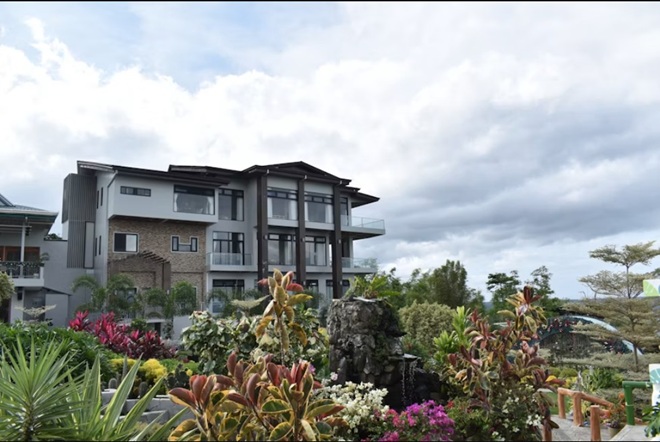
The shine of the city can rub off very quickly. Or at least for Matthew Straight it did. Several years ago, he moved to Cebu City to be closer to his partner, April Pasilang, but he longed to live off the grid in the countryside.
He played with the idea and mentioned it to Pasilang. The plan was never to leave the city until a visit to Bohol changed everything. There, they found a small piece of land. Bought it on a whim for 1.3 million Philippine pesos ($23 000). Moved in July, 2025.
Measuring 15,500 square feet, the home is completely off the grid. Straight tells Business Insider that they spent 4.84 million Philippine pesos on the entire project. And it’s money well spent. He says they haven’t found any downside… yet.
For them, this is the dream. Unfortunately, things don’t always go according to plan for everyone. The unpredictable weather. Budget surprises. That one contractor who ghosts you. Things happen and are out of your control.
What you can control are these seven essentials that Filipino homeowners and builders should never overlook.
#1. Start With a Solid Plan
Pinterest boards are nice, but they’re not practical. Aspirational? Yes. Workable? No.
A common mistake among first-time builders is diving in without a clear, structured plan. Pre-construction planning is where most costly errors can be avoided.
What to lock in early:
- Budget with a buffer
- House design and layout
- Permits and zoning requirements
- Timeline (realistic, not optimistic)
Insider tip: Barangay approvals and permits can take time. Factor that in, or risk delays before you break ground.
#2. Build for the Philippine Climate
Heat. Humidity. Typhoons. Weather conditions aren’t minor details. They shape how your home performs long term.
That sleek glass-heavy design? Looks great until your cooling bill spikes. The Inquirer explains that climate-resilient design is a must, not a luxury. Smart moves include:
- Elevated flooring for flood-prone areas
- Proper roof pitch and drainage
- Cross-ventilation to reduce heat buildup
- Moisture-resistant materials
#3. Accessibility and Future-Proofing
Most people build for now. Smart homeowners build for the next 20 years.
Multi-generational living is common in Filipino households. Your home should evolve with your family.
What to consider:
- Wider doorways
- Ground-floor bedrooms
- Easy-access bathrooms
Home elevators are increasingly becoming part of multi-generational homes. If you’re building a multi-level home, this home elevators Philippines complete guide breaks down:
- Costs
- Installation requirements
- Space considerations
- Safety features
Residential elevators are now a practical solution for aging parents and long-term convenience, says Cibes.
#4. Don’t Skimp on Materials
Cutting corners on materials is one of the fastest ways to regret your build.
Construction experts stress how extensive (and important) your material selection really is. Prioritize high-quality cement and steel, weather-resistant roofing, termite-resistant wood or alternatives, and reliable plumbing and electrical components.
Also, don’t forget that repairs in the Philippines can cost more due to labor and material sourcing.
#5. Work With the Right People, Not the Cheapest
Hiring based on price alone is risky. Very risky.
A widely shared post by a local architect outlines common pitfalls in Filipino home builds. Predictability, many are tied to poor contractor choices. Look for:
- Licensed professionals
- Proven track record
- Clear contracts and scope
- Transparent pricing
Cultural note: Referrals matter in the Philippines. Ask around. Your tita probably knows someone.
#6. Budget Beyond the Build
Your initial quote? It’s rarely the final number.
Former Pinoy Big Brother housemate Wil Dasovich documented his home build story and ran into unexpected costs.
“So, I committed to try and build a house in the Philippines, but I’ve been warned of the risks and all that could go wrong. Friends, family, followers all have shared with me their own personal horror stories… Either way, I’m not too worried cuz I have a solid team behind me helping out.” – Wil Dasovich via Instagram.
The content creator revealed that he was building a house south of Metro Manila and that his decision to build from scratch was not easy. Plan for:
- Permit fees
- Design changes
- Material price fluctuations
- Labor overruns
Rule of thumb: Add at least 10-20% contingency to your budget.
#7. Don’t Ignore Utilities and Connectivity
A beautiful home is useless if your basics don’t work.
Ensure you have a stable water supply, a reliable electrical system, and strong internet connectivity.
Some areas in the Philippines experience unstable service. Plan ahead with backup solutions like water tanks, generators, and multiple network options.
FAQs
1. How much does it cost to build a house in the Philippines?
Costs vary, but average construction ranges from ₱20,000 to ₱60,000 per sqm, depending on materials and design.
2. How long does construction usually take?
Typically six to 12 months. Delays due to weather, permits, and labor are common.
3. Is it worth investing in a home elevator?
If you have a multi-level home or plan for aging family members, yes. Home lifts add convenience, safety, and long-term value.
4. What’s the biggest mistake first-time builders make?
Skipping proper planning and hiring based on cost instead of quality.
Key Stats at a Glance
| Category | Insight |
| Average Build Cost | ₱20,000-₱60,000 per sqm |
| Budget Buffer Recommended | 10-20% |
| Construction Timeline | 6-12 months average |
| Climate Risks | Typhoons, flooding, humidity |
A Home that Works for You
Building a home in the Philippines is part dream, part endurance test. When done right, it can also be rewarding.
The key is simple: Plan thoroughly. Build smart. Think long-term. Because the goal isn’t to build a house; it’s to create a home that works for your life now and later.