
Why More Professionals Are Completing Cardiopulmonary Resuscitation Courses?
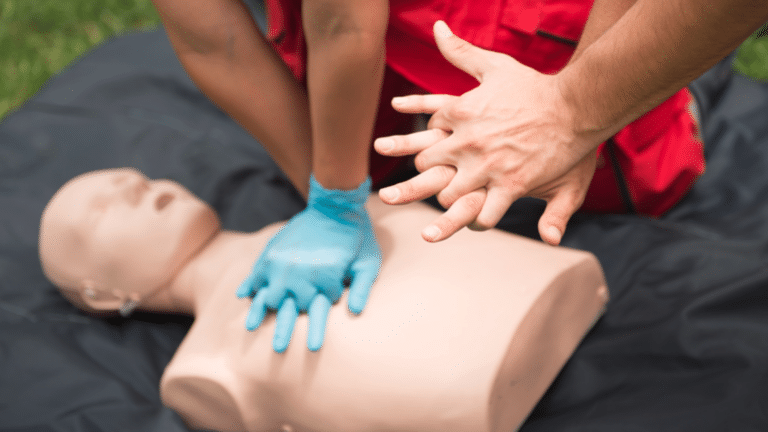
Health, safety, and emergency preparedness are receiving more attention in the workplace than ever before. Across industries, professionals are recognising the importance of being able to respond effectively during unexpected medical incidents. From offices and schools to gyms and construction sites, employees are increasingly enrolling in CPR training to gain practical lifesaving knowledge that can make a real difference during emergencies.
This growing interest reflects a wider understanding that emergency response skills are no longer limited to healthcare environments. Modern professionals want to feel prepared, responsible, and capable of helping others when critical situations arise.
Workplace Safety Expectations Are Increasing
Many organisations now view emergency response training as a valuable investment rather than an optional extra. Businesses understand that trained staff members contribute to safer environments for employees, visitors, and customers.
A recognised program, such as HLTAID009 Provide Cardiopulmonary Resuscitation, helps participants learn how to react during cardiac emergencies, breathing difficulties, or sudden collapses. These practical skills are especially useful in workplaces where immediate assistance may be required before medical professionals arrive.
Employers are also becoming more proactive about meeting workplace health and safety responsibilities. CPR certification demonstrates a commitment to staff wellbeing and emergency readiness, which strengthens overall workplace confidence.
Professionals Want Practical Skills That Matter
Many career-focused individuals prefer training that offers practical benefits beyond theoretical knowledge. CPR education provides hands-on experience that can be applied in real-life situations, making it highly valuable for people from a wide range of professions.
Teachers, childcare workers, hospitality employees, fitness trainers, and office managers often interact with large numbers of people every day. Having emergency response skills allows them to react more effectively if someone suddenly requires urgent medical assistance.
Training providers such as Fast First Aid CPR are helping make these courses more accessible by offering flexible learning formats that suit busy work schedules. This convenience has encouraged more professionals to complete certification without interrupting their daily responsibilities.
CPR Knowledge Supports Leadership Qualities
Professionals who complete CPR training are often viewed as calm, dependable, and proactive individuals. Emergency preparedness can strengthen leadership qualities because trained employees are better equipped to remain composed under pressure.
Knowing how to respond during emergencies helps build personal confidence and decision-making abilities. Many participants discover that CPR training improves not only their emergency awareness but also their communication and teamwork skills.
Organisations frequently appreciate employees who take the initiative in learning additional safety-related skills. CPR certification can therefore contribute positively to professional development and workplace reputation.
Modern Training Methods Encourage Participation
Another reason more people are completing CPR courses is the improvement in training methods. Modern programs focus heavily on practical learning rather than lengthy classroom theory alone.
Participants now experience interactive demonstrations, simulated emergency scenarios, and guided practice sessions that make learning more engaging and realistic. This practical structure helps learners understand how CPR techniques apply in real-world situations.
The increasing popularity of first aid courses Joondalup highlights how local communities are responding to the demand for convenient and effective emergency response education. Flexible scheduling and shorter course durations make certification easier for working professionals to complete.
Emergency Preparedness Extends Beyond the Workplace
While many professionals initially complete CPR training for work-related reasons, the benefits often extend far beyond their careers. CPR knowledge can become valuable in homes, public spaces, sporting events, or while travelling.
Emergencies involving family members, friends, or strangers can occur unexpectedly. Individuals who have completed CPR certification may feel more prepared to provide immediate assistance during those critical moments before emergency services arrive.
This broader value encourages many people to maintain and renew their certification regularly. They recognise that CPR training is not simply a workplace requirement but a practical life skill with long-term importance.
Greater Awareness Through Public Health Campaigns
Public health campaigns and increased media attention surrounding emergency response have also contributed to growing CPR participation. Many people now understand how important rapid intervention can be during cardiac emergencies.
Stories involving successful bystander assistance continue to highlight the impact that trained individuals can have in emergency situations. This awareness motivates more professionals to seek formal CPR education and gain confidence in their ability to help others.
Conclusion
The growing number of professionals completing CPR certification reflects changing attitudes toward workplace safety, personal responsibility, and community preparedness. Practical emergency response skills are now viewed as valuable assets across many industries and professional roles. Programs such as HLTAID009 Provide Cardiopulmonary Resuscitation provide accessible training that equips participants with the confidence and knowledge needed during medical emergencies. As workplaces and communities continue prioritising safety, CPR education will remain an increasingly important part of professional development and everyday life.