
Why Time-Efficient First Aid Courses Are the Future of Safety Training
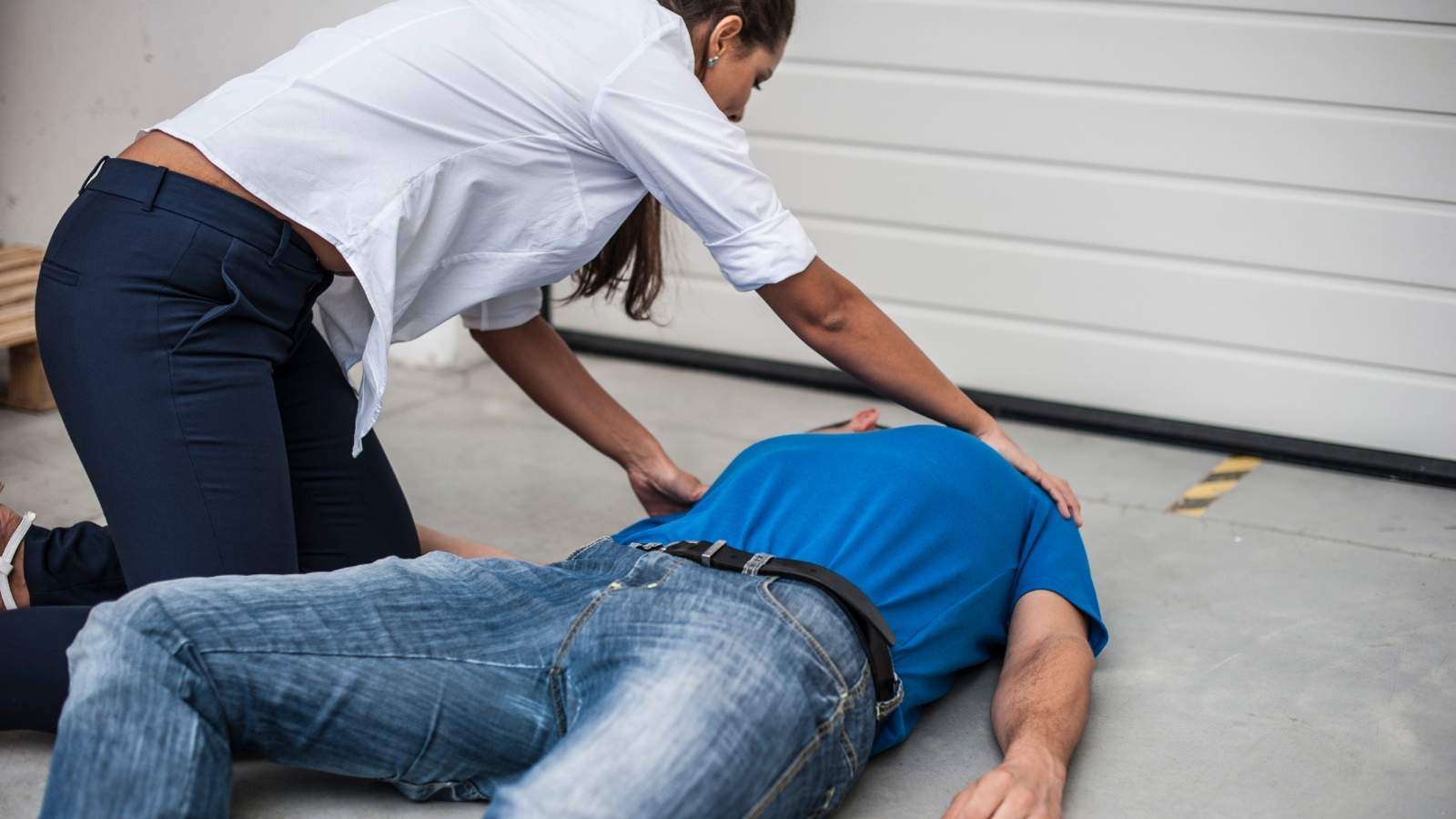
Time is one of the most important things we have in this fast-paced world. People always have a lot of things to do, whether they’re at work, school, or just going about their daily lives. This makes it hard to fit in long training plans. Because of this change in living, there is a greater need for learning methods that save time, especially in important areas like safety. Because of this, short, focused programs like Express CPR and other accelerated forms are changing how people get ready for emergencies.
The Growing Need for Practical and Fast Learning
Traditional safety training programs often required multiple days of commitment, which made them difficult for working professionals and busy individuals to attend. However, emergencies do not wait for convenience. Cardiac arrests, injuries, and sudden health crises can happen at any time, making it critical for more people to be equipped with lifesaving skills.
Time-efficient courses address this gap by condensing essential knowledge into shorter sessions without compromising quality. Programs like fap first aid cpr focus on practical, hands-on learning that ensures participants are ready to respond effectively. This approach allows individuals to gain confidence quickly while still mastering key techniques such as CPR, wound care, and emergency response protocols.
Focus on Real World Application
One of the biggest advantages of modern first aid training is its emphasis on real-world scenarios. Instead of spending excessive time on theory, these courses prioritise practical demonstrations and interactive learning. Participants practice skills repeatedly, ensuring they can perform them under pressure.
This shift toward application-based training is what makes time-efficient courses highly effective. When learners are placed in simulated emergency situations, they develop the ability to think quickly and act decisively. This is particularly valuable in high-stress environments where hesitation can make a critical difference.
Accessibility for a Wider Audience
Shorter training formats have made first aid education more accessible than ever before. People who previously avoided enrolling due to time constraints can now participate without disrupting their schedules. For example, many individuals seeking first aid training sydney options are increasingly choosing express courses because they fit easily into a single day.
This accessibility has a broader impact on community safety. The more people trained in first aid, the higher the chances of immediate assistance during emergencies. Time-efficient courses help bridge the gap by enabling more individuals to become certified and confident responders.
Ideal for Modern Workplaces
Workplaces today are evolving rapidly, and safety training needs to keep up. Employers are recognising the importance of having trained staff who can respond to emergencies instantly. However, taking employees away from work for extended periods is often not feasible.
Time-efficient first aid courses provide the perfect solution. They allow organisations to train multiple employees within a short timeframe, ensuring compliance with safety standards while maintaining productivity. Employees benefit by gaining essential skills, and employers benefit from a safer work environment.
Retention Through Focused Learning
Another key benefit of shorter courses is improved retention. When information is delivered in a clear, concise, and engaging manner, learners are more likely to remember it. Long training sessions can sometimes lead to information overload, reducing the effectiveness of learning.
By focusing only on critical skills and knowledge, time-efficient programs ensure that participants retain what truly matters. This leads to better performance in real emergencies, where quick recall and confident action are essential.
The Future of Safety Training
The future of safety training lies in adaptability, efficiency, and practicality. As lifestyles continue to become more demanding, the need for flexible learning solutions will only grow. Time-efficient first aid courses represent a shift toward smarter education, where quality is not sacrificed for speed but enhanced through focused delivery.
Programs like Express CPR and fap first aid cpr are setting new standards by proving that effective training does not require extended time commitments. Instead, it requires the right balance of theory, practice, and real-world application.
Conclusion
Time-efficient first aid courses are redefining how people learn lifesaving skills. By making training accessible, practical, and engaging, they are empowering more individuals to act confidently during emergencies. As demand continues to rise, these courses are not just a trend but a necessary evolution in safety training. In a world where every second counts, learning to save lives quickly and effectively is no longer optional but essential.