What Are the Best CCTV Cameras for Home Security in 2026?
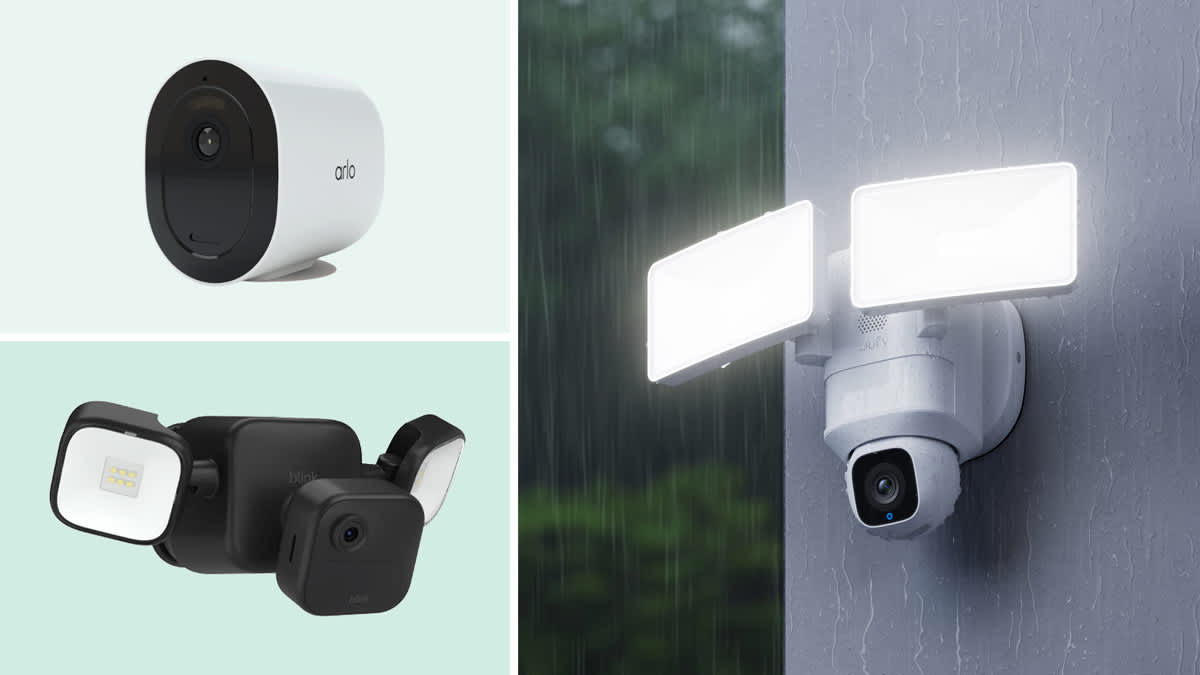
Did you know that houses not protected with alarm systems are reportedly at least 300% more vulnerable to burglaries compared to those protected by alarm systems? It has been found that there are an estimated 2.5 million burglaries in the USA every year until 2025.
And in the Philippines, the Philippine National Police (PNP) recorded 12,662 theft incidents nationwide in 2025 alone.
Home security cameras have really come a long way, from that grainy, low-resolution footage that was barely useful as evidence. Many of the best home security cameras in 2026 include AI-powered motion detection, color night vision, two-way audio, smart home integration, cloud storage, and ultra-high-definition video quality.
This guide is about finding the best CCTV cameras for home security in 2026, indoors, outdoors, wired, and wireless, that fit your needs.
Why Home Security Cameras Matter in 2026
A security camera discourages any criminal activity because of its visibility and also gives evidence in case there is any mischief done. Security cameras provide peace of mind both when one is present and even when one is away from his/her premises.
These days the modern ones go further too, with AI that can tell the difference between a person, a pet, a vehicle, and just regular motion, so you get fewer false alerts, and you can respond quicker when something real is going on.
Some advanced models even recognize familiar faces, notice package deliveries, and send more focused notifications, so you are not sitting there wondering what exactly set the alert off. For homeowners, this smart detection is one of the most practical home security investments you can make.
What to Look for in a Home Security Camera
Before choosing a camera, it helps to know the key features that sort out a decent security camera from a basic one.
Video Resolution
This resolution definitely influences the image’s quality. As early as 2026, the minimum resolution that an image will have is 1080p, but 2K is very popular among people. The highest quality images are in 4K resolution. This extra clarity is super important too, especially for identifying faces or license plates outdoors.
Night Vision and Low-Light Performance
While the regular infrared night vision is characterized by sharp black and white images, the color night vision makes it possible to capture colored images in dim environments, making it easy for one to know what is happening around him or her.
AI Detection
Basic motion alerts trigger for any movement, even when it’s random or just a shadow, while AI-powered detection can tell apart people, pets, vehicles, and even packages. This ends up reducing false alarms and gives quicker, more precise notifications, in many cases without a subscription needed.
Storage Options
Security cameras store footage in one of three ways or a combination:
- Cloud storage is pretty convenient; you can access it pretty much anywhere, but it usually comes with a monthly subscription that you pay.
- Local storage (microSD card) is more like a one-time expense, with no subscription required, and the recordings stay right on the device itself.
- NVR (Network Video Recorder) – this is your best option if you have many cameras installed with wires since all recordings will be centralized through the use of one hard drive on which all videos are stored without any additional costs.
Be sure to see whether the camera that you are looking for has a free local storage capacity, as some brands cannot offer even the simplest record feature without a paid subscription.
Wired vs. Wireless
Wired cameras are super dependable, and they are perfect for those setups that stay put because they don’t really need recharging, and they keep working continuously.
Wireless cameras are winning on flexibility, and for the easy install too, so they work well for rentals or places where power access is tough.
Weather Resistance
When picking an outdoor camera, aim for at least an IP65 rating. If possible, get IP67 or IP68 models instead. They’re totally protected from dust and excel in heavy rain and tough weather. This extra durability makes a huge difference since the camera will face year-round conditions.
Best CCTV Cameras for Home Security in 2026: Our Top Picks
1. TP-Link Tapo C460 Best Overall
Best for: Most homes | Resolution: 4K | Power: Battery/Solar
In 2026 the Tapo C460 stands out, having 4K video, on-device AI detection for people, pets, and vehicles, plus local microSD storage and that simple magnetic mounting thing. It also gives you solar charging support, so you end up doing less frequent battery recharging.
Why it stands out: The 4K resolution, subscription-free AI detection, and local storage at an accessible price.
2. TP-Link Tapo C325WB Best Color Night Vision
Best for: Outdoor use, nighttime detail | Resolution: 2K | Power: Wired
The Tapo C325WB is renowned for its outstanding night vision that can capture full-color images even when there is little to no light around so that you will easily be able to identify people and cars, among other things. Also, the IP67 waterproof rating will make the camera seem like an old-school wired model.
Why it stands out: Color night vision performance that outperforms cameras at significantly higher price points.
3. Reolink Argus 4 Pro Best for Off-Grid Installation
Best for: Areas without power outlets | Resolution: 4K | Power: Solar/Battery
The Reolink Argus 4 Pro gives you 4K image sharpness and full-color night vision, which makes it pretty good for harsh weather and hard lighting. Also, it comes with built-in solar power for charging, plus Wi-Fi 6 connectivity and AI object detection that happens right inside the camera. What’s cool about it is that it lets you save your video clips on a microSD card—no extra cost.
Why it stands out: Solar-powered 4K with color night vision and no ongoing subscription costs.
4. Google Nest Cam (Indoor, Wired, 3rd Gen): Best Indoor Camera
Best for: Indoor monitoring | Resolution: 2K | Power: Wired
The Google Nest Cam Indoor is still a top pick for indoor surveillance. It has crisp 2K video and a wide 152° viewing angle. Plus, you get six hours of free local video backup. The camera also does person detection and lets you set activity zones that you can tweak. It integrates with your smart home system too. If you want more features, there are Nest Aware add-ons. They offer extra storage and even facial recognition, which is great if that matters to you.
Why it stands out: Elegant design, excellent video quality, and meaningful free features without pushing users toward a subscription.
5. Blink Outdoor 4 Best Budget Wireless Camera
Best for: Budget buyers | Resolution: 1080p | Power: Battery
Blink Outdoor 4 is a low-cost wireless outdoor camera; it records videos in 1080p resolution and it is built to endure harsh weather conditions pretty well. Despite providing two-way audio and motion detection services, the device may fail to do so some times. On the bright side, it has excellent battery life, making maintenance a lot less frequent. Also, it stores data locally using a Blink Sync Module and links up with Amazon Alexa for easier smart home control.
Why it stands out: The most affordable way to add reliable, wireless outdoor camera coverage without major compromises.
Comparison at a Glance
| Camera | Resolution | Power | Best For | Subscription Required |
| TP-Link Tapo C460 | 4K | Battery/Solar | Best overall | No |
| TP-Link Tapo C325WB | 2K | Wired | Color night vision | No |
| Reolink Argus 4 Pro | 4K | Solar/Battery | Off-grid locations | No |
| Google Nest Cam Indoor | 2K | Wired | Indoor monitoring | Optional |
| Blink Outdoor 4 | 1080p | Battery | Budget buyers | Optional |
Indoor vs. Outdoor: Which Do You Need?
Most homes benefit from a combination of both. Here is a simple way to think about it:
The indoor cameras will produce the best results when installed in hallways, living rooms, and staircases to get an idea of what is happening indoors.
Outdoor cameras are mostly for driveways, entryways, and yards; they are like the first line of detection and also a bit of discouragement. That’s why weather resistance matters, and solid night vision is essential, not optional, honestly.
To begin with, it will be sufficient to have one or two outdoor cameras installed at certain points combined with one indoor camera for ensuring the necessary security for an average family.
Tips for Getting the Most From Your Security Cameras
- Position cameras at entry points first. Front doors, back doors, driveways, and garages are where most incidents begin. Cover these before adding cameras in other areas.
- Mount cameras at the right height. Set the camera at the right height, because that matters. Putting it at some odd angle elevation, anywhere between 2.5 to 3 meters, gives you a broader field for surveillance and also a bit more protection against vandalism without reducing the facial clarity, or you know, making it blurry.
- Use local storage to avoid ongoing fees. Get a microSD card or maybe an NVR and you won’t have to deal with a monthly subscription, yet the video stays reachable. Also, a bunch of the best cameras in 2026 support this kind of thing right out of the box which is kinda convenient.
- Keep firmware up to date. Security camera manufacturers regularly release updates that patch vulnerabilities and improve performance. Check for updates every quarter.
- Secure your network. Cameras connected to your home WiFi are only as secure as the network they are on. Use a strong WiFi password and ensure your router’s firmware is current.
Final Thoughts
The best home security camera in 2026 depends on where you need coverage, what kind of power situation you prefer it to use, and if you’re cool paying a monthly subscription for cloud storage, plus AI stuff.
Most homeowners will like the TP-Link Tapo C460; it’s the “best overall” choice with 4K video, on-device AI detection, and local storage. No subscription needed there. For people who require outdoor clarity at night, the TP-Link Tapo C325WB and Reolink Argus 4 Pro cameras would be ideal. As for indoors, the Google Nest Cam still leads the pack among its many competitors.
No matter your setup, putting cameras on your main entry points, like using at least one outdoor unit and one indoor unit, is one of the most effective and usually affordable steps you can take to keep your home safer.