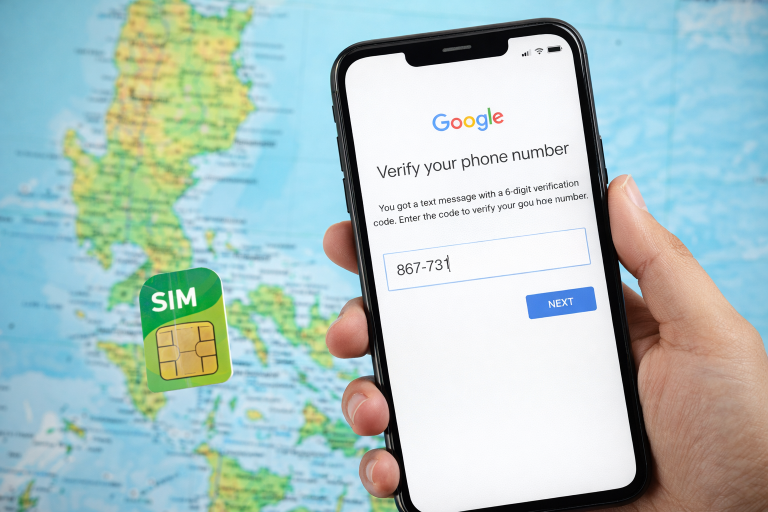
Mobile Betting Apps And SIM Registration: How Identity Controls Shape Trust In Digital Gambling

Mobile betting platforms operate in a fragile environment. Trust decides everything.
Users trust apps with money. Regulators trust operators with licenses. Payment providers trust platforms with access.
That trust no longer comes from branding alone. It comes from identity controls.
As betting shifts fully to mobile devices, platforms depend on signals that confirm who a user is, where they are, and whether their behavior fits legal boundaries. SIM registration systems now play a central role in that process.
How Mobile Casino Apps Use Identity Signals To Build Operational Trust
Trust in mobile gambling is operational, not emotional.
It is built through verification steps that reduce uncertainty.
Early in the user lifecycle, platforms must answer three questions:
- Is this user real?
- Is this user located in a permitted region?
- Is this user acting as a single individual, not a network of accounts?
Near the beginning of that process, many platforms rely on app-level identity frameworks like those used by the parimatch mobile casino app, which combines device data, session behavior, and account verification flows to confirm legitimacy without slowing the user experience.
This matters because betting apps operate under constant scrutiny. Payment processors monitor transaction patterns. Regulators audit account creation and withdrawals. Any gap in identity control increases risk.
Device Identity As The First Filter
Mobile apps gain access to information browsers never could.
They see device consistency. OS signals. App session continuity.
These indicators allow platforms to flag suspicious behavior early. A user switching devices too often. A pattern of logins tied to unusual geographies. Repeated account creation attempts from similar hardware.
Device-level identity does not confirm who a person is.
But it establishes continuity. And continuity reduces fraud.
Phone Numbers As Behavioral Anchors
A phone number adds friction.
That friction is intentional.
Linking accounts to a SIM-based number discourages mass registrations. It limits automation. It ties activity to a recurring billing entity.
Even when numbers can be recycled, the cost of replacement raises the barrier for abuse.
For betting platforms, this is not about surveillance.
It is about account integrity.
SIM Registration As A Control Layer For Fraud, Compliance, And User Safety
SIM registration systems exist for public reasons.
They help governments reduce anonymous misuse of mobile networks.
For betting platforms, they serve a parallel function.
When SIM cards are registered to verified individuals, phone numbers become more reliable identity markers. This strengthens every downstream control.
Fraud Reduction Through Identity Friction
Anonymous systems invite exploitation.
Verified systems resist it.
SIM registration raises the cost of fraud. It makes multi-account abuse harder. It reduces bonus manipulation. It limits bot-driven activity.
These effects compound over time.
A platform that enforces identity consistency sees fewer chargebacks. Fewer disputes. Lower compliance overhead.
That stability improves relationships with banks and payment gateways.
Regulatory Alignment Without Excessive Data Collection
Smart platforms avoid collecting sensitive data they do not need.
SIM-based identity works because it offloads verification to telecom systems that already perform identity checks. The betting app confirms linkage. It does not store government documents.
This separation reduces data risk.
It also simplifies audits. Platforms can demonstrate that users pass identity thresholds without exposing internal systems to unnecessary liability.
User Safety As A Byproduct Of Verification
Identity controls do more than stop bad actors.
They protect legitimate users.
A verified environment reduces account takeovers. It lowers the chance of funds being withdrawn by impostors. It allows faster recovery when issues arise.
From a user perspective, verification feels like friction.
From a system perspective, it is insurance.
Where SIM Registration Fits In The Verification Stack
Identity control works best when layered.
A typical stack includes:
- Device consistency checks
- Phone number verification
- SIM registration validation
- Behavioral monitoring
- Transaction pattern analysis
Each layer covers gaps left by the others.
SIM registration strengthens the weakest point: the phone number.
Why Identity Infrastructure Determines Long-Term Platform Viability
Mobile betting platforms do not fail because of weak features.
They fail because trust collapses.
Regulators tighten rules. Payment partners withdraw support. Users lose confidence after breaches or disputes.
Identity infrastructure prevents that spiral.
It allows platforms to grow without scaling risk at the same rate.
It enables compliance teams to act proactively instead of reactively.
It gives decision-makers measurable control over user integrity.
Strategic Benefits For Platform Operators
Strong identity systems provide leverage:
- Faster market entry in regulated regions
- Lower fraud-related operating costs
- Improved standing with financial institutions
These advantages compound as platforms expand.
A Competitive Differentiator Hidden From Users
Most users never notice identity architecture when it works.
That is the point.
The best systems fade into the background. They allow users to register quickly, play smoothly, and withdraw without friction.
But behind that simplicity sits deliberate design.
Conclusion
Mobile betting is no longer just about odds or interfaces.
It is about control.
SIM registration systems, device identity, and behavioral verification form the backbone of trust in digital gambling.
Platforms that treat identity as infrastructure survive regulation. They scale responsibly. They retain partners.
Those that ignore it accumulate hidden risk.
For decision-makers in mobile gambling, identity control is not a compliance checkbox.
It is a strategic asset.
And in a market built on confidence, that asset decides who lasts.